Roof Insurance Claims in South Carolina: What Homeowners Need to Know
If wind, hail, or another covered event damages your roof, a homeowners insurance policy may help pay for eligible repairs or replacement. However, roof insurance claims in South Carolina depend on your specific policy, deductible, exclusions, cause of loss, roof condition, and the insurance company's assessment.
The best first steps are to protect your property from further damage, document what happened, review your policy, and notify your insurance company when appropriate. A professional roof inspection can also help you understand the physical condition of the roofing system.
For Greenville homeowners, knowing the difference between the roofer's role and the insurance company's role can make the claims process easier to understand.
What Should You Do After Discovering Roof Damage?
If you notice roof damage after severe weather, focus first on safety and preventing additional property damage.
Do not climb onto a damaged or wet roof. Instead, photograph anything you can safely see from the ground and document interior problems.
Useful documentation may include:
- Missing shingles
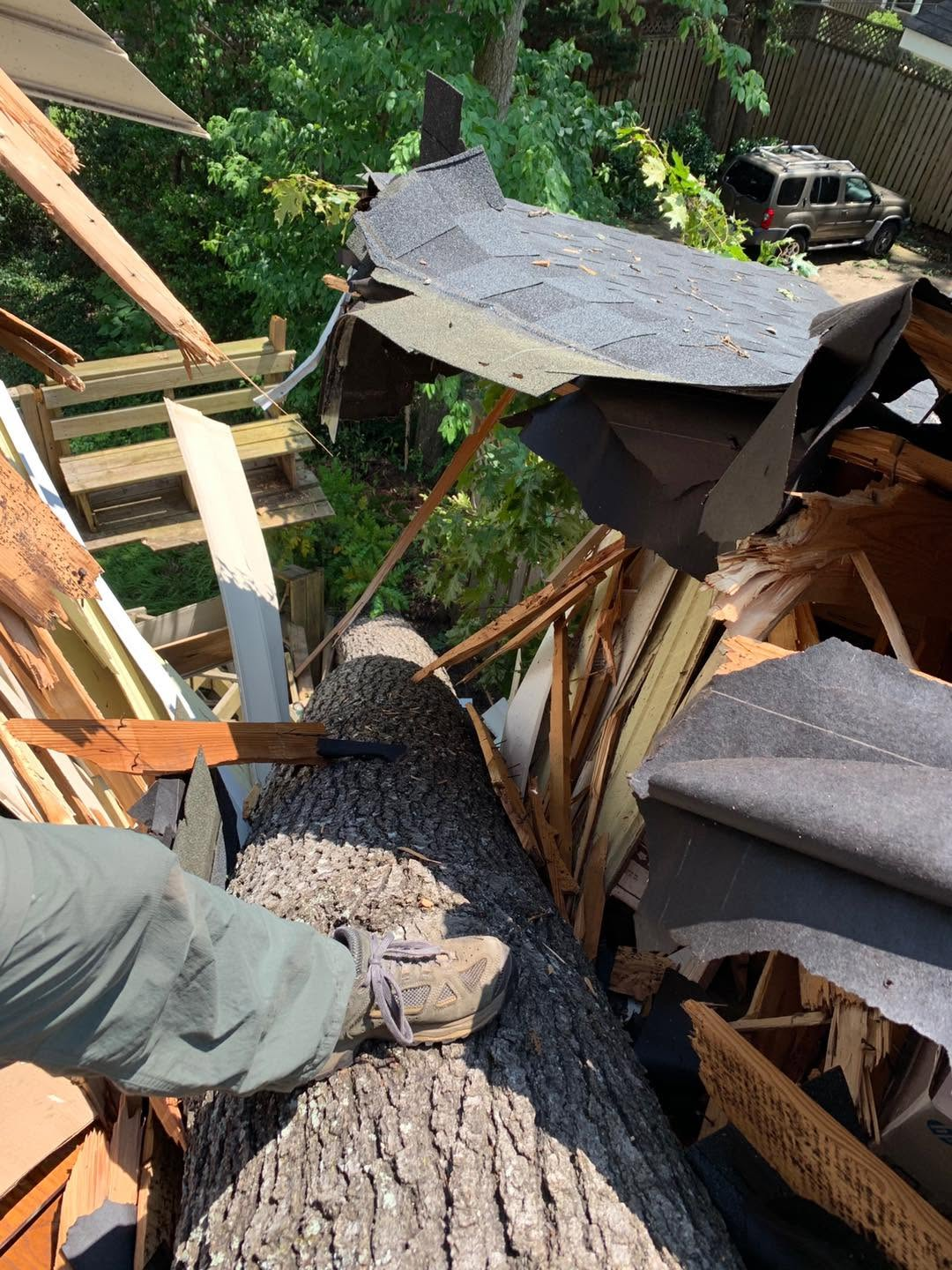
- Fallen tree limbs
- Damaged gutters
- Hail impacts
- Ceiling or wall stains
- Water entering the attic
- Damaged personal property
- Temporary protective measures
Record approximately when you first noticed the damage and, when possible, the date of the storm or event.
Keep receipts for reasonable temporary measures taken to protect the property.
The South Carolina Department of Insurance advises consumers to document damage, make temporary repairs when necessary to prevent further damage, and save receipts associated with those repairs.
Should You Call a Roofer or Insurance Company First?
There is no single sequence that fits every situation.
If your home has major damage or an emergency condition, contact your insurance company promptly and follow the requirements of your policy. Take reasonable steps to protect the property when it is safe.
When damage is less obvious, a professional roof inspection can help you understand whether roofing problems are present and what areas require attention.
The roles should remain clear:
A roofing contractor evaluates the condition of the roof. The insurance company determines whether the loss is covered by your policy.
A roofer should not promise that an insurance company will approve a claim.
Likewise, homeowners should not assume that every roof problem following a storm qualifies for insurance coverage.
How Does a Roof Insurance Claim Work?
Although every claim is different, the general process often follows several steps.
1. Document the Damage
Photograph visible exterior and interior damage before permanent repairs begin, when it is safe to do so.
2. Review Your Policy
Look at your deductible, coverage provisions, exclusions, and any requirements related to reporting a loss.
If something is unclear, ask your insurance agent or carrier to explain it.
3. Report the Loss
Contact your insurer according to its claims procedures. Be prepared to provide information about what happened and when you discovered the damage.
4. Complete the Inspection Process
Your insurance company may send an adjuster to inspect the property. A roofing contractor may separately evaluate the roofing system and provide information about necessary repairs.
5. Review the Claim Decision
Read the insurer's documentation carefully. Ask questions about anything you do not understand.
6. Complete Necessary Roofing Work
Once the appropriate scope is established, select a qualified roofing contractor and keep contracts, invoices, receipts, and other project documentation.
What Does Homeowners Insurance Cover on a Roof?
There is no universal answer.
Homeowners policies differ, and coverage depends on the circumstances of the loss. Damage caused by certain sudden events may be treated differently from problems associated with deterioration, maintenance, or other excluded conditions.
Factors that may affect a claim include:
- Cause of damage
- Policy language
- Deductible
- Roof age
- Existing roof condition
- Coverage limits
- Exclusions or endorsements
- Insurance company's assessment
Do not rely on a neighbor's claim to predict yours. Two houses on the same street can have different insurers, policies, deductibles, roof ages, and damage.
For policy-specific questions, your insurer or licensed insurance professional is the appropriate source.
Why Is a Professional Roof Inspection Useful?
An insurance claim deals with coverage. A roof inspection deals with the physical condition of the roofing system.
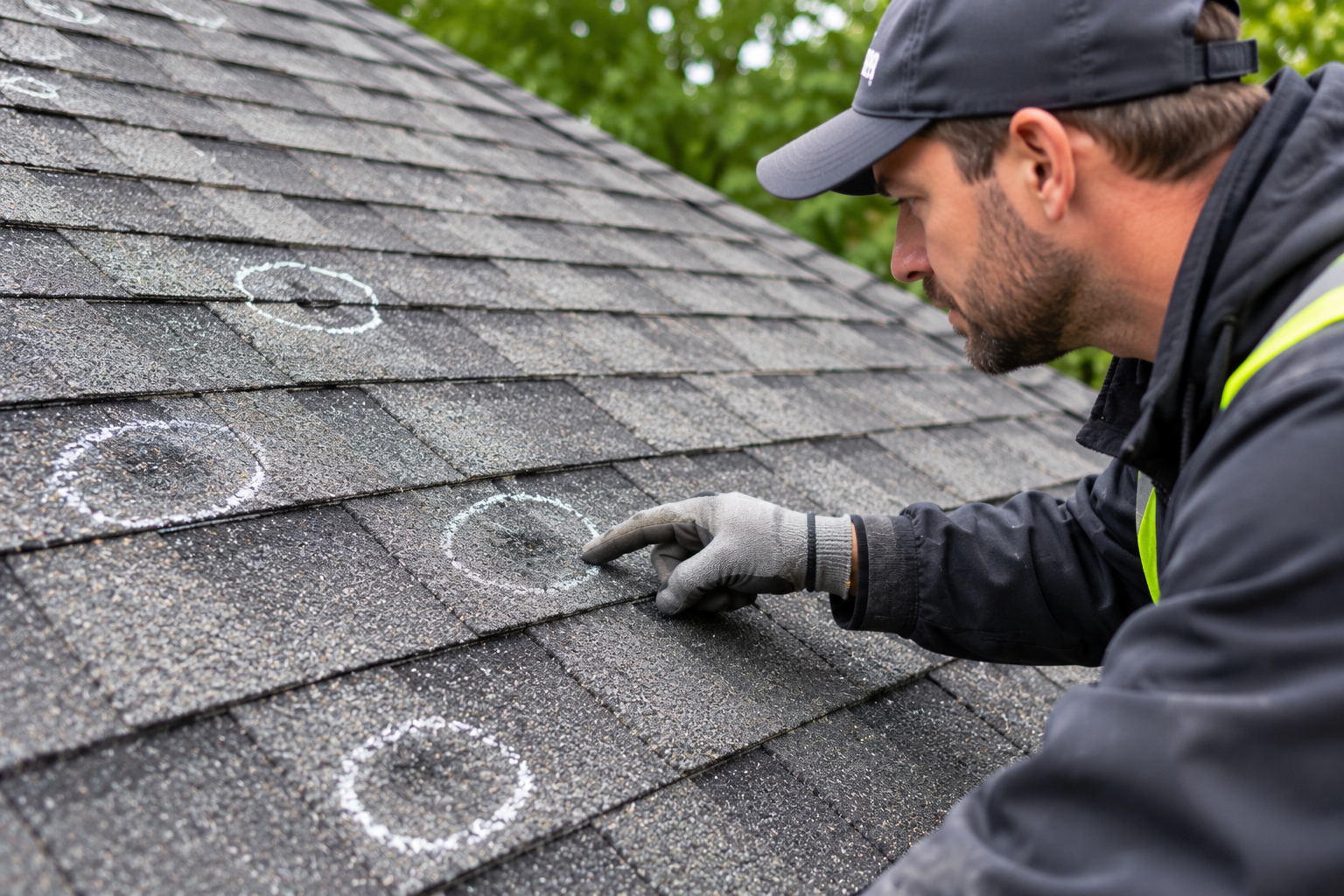
A professional inspection may evaluate:
- Missing or damaged shingles
- Areas affected by wind or hail
- Flashing
- Ridge areas
- Roof penetrations
- Vents
- Gutters and downspouts
- Signs of water intrusion
- Areas affected by falling debris
The inspection can help determine whether a localized repair may be appropriate or whether the damage appears more extensive.
Expert Insight: Separate Storm Damage From Existing Wear
One important part of evaluating a roof is distinguishing recent damage from existing conditions.
Shingles naturally age. Granule loss, previous repairs, deterioration, and other conditions may have existed before the storm.
That distinction matters because an insurance claim generally focuses on the reported loss rather than every maintenance or aging issue present on the roof.
A careful inspection should document what is observed without promising what an insurer will cover.
What Documentation Should You Keep?
Good recordkeeping can make a complicated process easier to manage.
Create one folder—digital or physical—for:
- Before-and-after photos, if available
- Post-storm photos and videos
- Roof inspection information
- Claim number
- Adjuster information
- Contractor estimates
- Emails and letters
- Temporary repair receipts
- Contracts
- Final invoices
Avoid throwing away damaged materials or making unnecessary permanent changes before documenting the condition, unless immediate action is needed for safety or to prevent additional damage.
Follow your insurance company's instructions throughout the process.
Common Roof Insurance Claim Mistakes to Avoid
Homeowners can reduce confusion by avoiding several common mistakes:
- Waiting too long to review policy requirements
- Failing to photograph visible damage
- Discarding receipts for temporary repairs
- Assuming all storm damage is automatically covered
- Assuming a contractor can guarantee claim approval
- Choosing a roofing contractor based only on insurance promises
- Signing documents without understanding them
Be cautious if anyone pressures you to make an immediate decision after a storm.
The South Carolina Department of Insurance provides consumer resources and information for policyholders who have questions about insurance companies or the claims process.
Frequently Asked Questions About Roof Insurance Claims
Does homeowners insurance cover hail damage to a roof?
It may, depending on the policy and circumstances. Coverage can be affected by exclusions, deductibles, roof condition, and other terms. Your insurance carrier determines coverage.
Does filing a claim guarantee my roof will be replaced?
No. Filing a claim does not guarantee payment or complete roof replacement. The insurer evaluates the reported loss according to the policy and its claim process.
What should I photograph after roof damage?
Document visible roofing materials, gutters, fallen debris, siding damage, interior water stains, and damaged belongings when safe. Wider photos showing the overall area can also provide useful context.
Can a roofing contractor negotiate my insurance coverage?
A roofer can inspect the roof and explain roofing work, but insurance coverage decisions belong to the insurer. Questions about your policy should be directed to your insurance company or qualified insurance professional.
Should I repair my roof before the adjuster arrives?
Emergency measures may be necessary to prevent additional damage. Document conditions beforehand when safe, retain receipts, and follow your insurer's instructions regarding permanent repairs.
Need a Roof Inspection After Storm Damage in Greenville?
Insurance paperwork can be complicated enough without also guessing about the condition of your roof.
Lanier Roofing and Restoration helps homeowners in Greenville, South Carolina, and surrounding Upstate communities evaluate roofing damage and understand what repairs may be needed.
If wind, hail, or severe weather has affected your property, start with clear information about the condition of your roofing system.
Call Lanier Roofing and Restoration at (864) 373-9799 to request a professional roof inspection.
Recent Posts